
Community
Alameda County’s Election Day rules may block news coverage of voting, civil rights groups warn
By Marcus Chen
Advertisement · Why this ad?
Marcus manages the day-to-day editorial workflow across all brands, coordinating coverage assignments and ensuring editorial standards are met. He previously served as city editor at the Pioneer Press and holds a degree in Political Science from Carleton College.
More from Marcus →
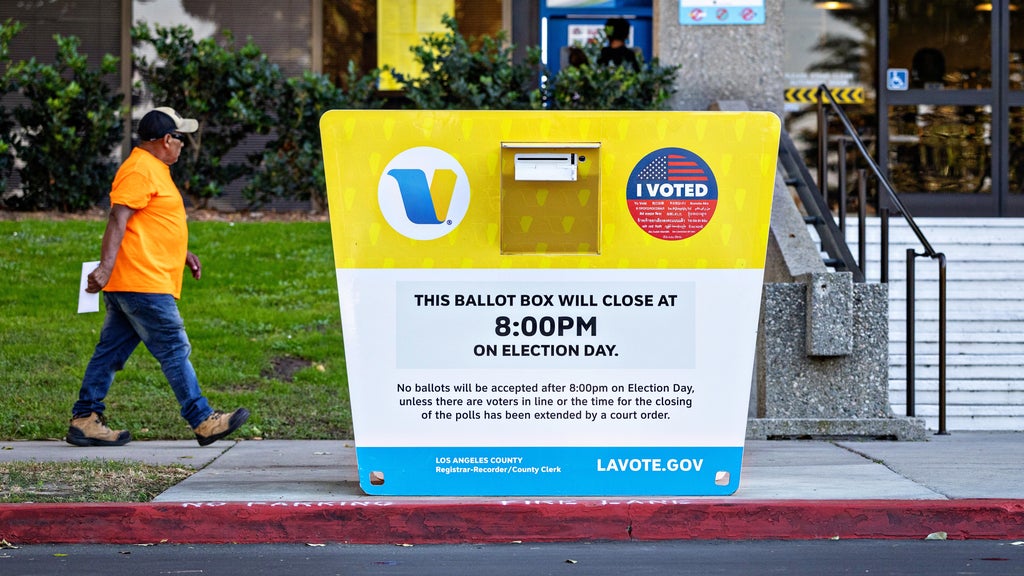
As the sun sets over Berkeley, the tension in the air is palpable. Residents gather at local cafes and community centers, engaged in animated discussions about the future of their city. With the clock ticking down to 8 p.m., voters are poised to cast their ballots on seven critical measures that could reshape Berkeley for years to come.
On Election Day, Berkeley voters faced a significant decision with seven ballot measures that could have far-reaching implications for the community. Among these measures is a proposed City of Berkeley, aimed at upgrading the city’s aging facilities and enhancing public services. This bond could potentially fund improvements to roads, parks, and public transportation, addressing long-standing infrastructure issues. The need for such an investment has been underscored by recent reports highlighting the deteriorating condition of many public facilities, including schools and recreational areas.
In addition to the infrastructure bond, voters also considered several parcel taxes designed to support the arts and establish a public bank. These measures reflect Berkeley's commitment to fostering local culture and financial independence. The proposal for a public bank, in particular, has sparked considerable debate, as proponents argue it could provide low-interest loans to residents and small businesses, while critics raise concerns about potential risks.
Community reactions have varied widely. Supporters of the infrastructure bond, like local business owner Sarah Johnson, argue that these improvements are essential for Berkeley’s growth. "Investing in our infrastructure is investing in our future," Johnson stated. "We need to ensure that our roads and public spaces can support our community's needs." Johnson, who runs a small café in South Berkeley, has seen firsthand how deteriorating infrastructure can affect local businesses, noting that potholes and poor public transport options deter customers.
Meanwhile, opponents of the bond worry about the long-term financial implications and potential tax increases. Some residents have expressed fears that the bond could lead to higher property taxes, exacerbating the already high cost of living in Berkeley. This concern has been echoed by community groups that advocate for affordable housing and economic equity.
The parcel tax aimed at supporting the arts has also received mixed feedback. Many residents, including artist and activist Mark Chen, believe that funding the arts is crucial for maintaining Berkeley’s unique cultural identity. “Art is what makes our community vibrant and alive. We should be investing in it, not cutting back,” Chen emphasized. He pointed to the recent success of local art festivals and public murals that have brought the community together. However, some residents are concerned about the burden of additional taxes on their already stretched budgets. The debate over arts funding has also highlighted the ongoing struggle between preserving Berkeley's cultural heritage and addressing the financial realities faced by many families.
Two significant tax measures on the ballot include a proposed increase in the sales tax and a plan to double the soda tax. The sales tax increase, if approved, would provide additional funding for essential services, including education and public safety. However, critics argue that a higher sales tax could disproportionately affect low-income families. Community leaders have pointed out that many residents are already struggling to make ends meet, with rising rents and living costs making it difficult to justify any additional financial burden.
On the other hand, the soda tax aims to combat health issues linked to sugary beverages. Proponents argue that this tax could encourage healthier choices among residents, while opponents question the effectiveness of such measures. The debate highlights the broader conversation about public health and personal responsibility in dietary choices. Local health advocates have pointed to studies showing that similar taxes in other cities have led to reduced consumption of sugary drinks, but some residents remain skeptical about whether such a measure would make a meaningful difference in their lives.
As the polls prepare to close, early voting trends have shown a mixed bag of support for the measures. According to recent surveys, the infrastructure bond appears to have a slight edge, with approximately 55% of voters in favor. However, the parcel taxes and tax increases are still too close to call, leaving the outcome uncertain. Political analysts suggest that the strong turnout among younger voters, who tend to support arts funding and public banking, could tip the scales in favor of those measures. Conversely, older voters, who may prioritize fiscal responsibility, could sway the results against the tax proposals. The involvement of local organizations in mobilizing voters has been crucial, with many grassroots campaigns focusing on educating residents about the potential impacts of each measure.
The potential passage of these measures could significantly impact Berkeley’s future. Should the infrastructure bond pass, residents can expect improvements that enhance the quality of life, attract new businesses, and potentially increase property values. Moreover, funding for the arts could lead to a more vibrant community, fostering creativity and collaboration among residents. Local artists and cultural organizations are eager to see how increased funding could support community projects, such as public art installations and educational programs in schools.
However, the financial implications of increased taxes cannot be ignored. Many families in Berkeley are already grappling with the high cost of living, and additional taxes could strain household budgets. The community is at a crossroads, weighing the benefits of investment against the challenges of affordability. Local leaders are urging residents to consider the long-term benefits of these measures, emphasizing that the future of Berkeley depends on proactive investments in infrastructure and culture.
As the clock ticks down to the closure of the polls, Berkeley residents are reminded of the power of their vote. Each measure on the ballot represents not just a policy decision, but a vision for the future of their community. Whether it’s investing in infrastructure, supporting the arts, or addressing public health concerns, the choices made today will shape Berkeley for generations to come. The outcome of this election could set a precedent for future initiatives, influencing how the city addresses its needs and priorities.
In the days following the election, the city will tally the votes and announce the results. Regardless of the outcomes, the discussions ignited by this election will undoubtedly continue, as residents engage in conversations about the future direction of their beloved city. Community forums and town hall meetings are expected to be held in the weeks following the election, allowing residents to voice their opinions and concerns about the measures and their implications.
By Marcus Chen
By Marcus Chen
By Katherine Langford
By Katherine Langford